
Your Walls Don’t Have to Be Boring Anymore
3D DIY wall art is the craft of building wall decor that physically sticks out from the surface — creating real depth, shadow, and texture you can actually touch.
Here’s a quick overview of the most popular ways to make it:
| Method | Skill Level | Time to Complete | Approx. Cost |
|---|---|---|---|
| Papercraft / Paper folding | Beginner | 1–10 hours | $10–$30 |
| Modeling paste on canvas | Beginner–Intermediate | 4–24 hours (inc. drying) | $15–$40 |
| Self-hardening clay | Beginner–Intermediate | 2–3 hours + 48 hrs drying | $10–$25 |
| Wood block arrangement | Intermediate | 2–4 hours | $20–$165 |
| 3D printing (STL templates) | Advanced | Varies | $20–$273 |
Unlike a flat print or a standard painting, 3D wall art plays with light and shadow as the day changes. A piece that looks one way in the morning can look completely different in the evening. That’s what makes it so striking.
The good news? You don’t need to be an artist or own a 3D printer. Some of the most impressive projects start with nothing more than cardstock, a craft knife, and a little patience.
Whether you’re decorating a living room, a nursery, or a home office — or making something heartfelt for someone special — there’s a 3D wall art project that fits your time, budget, and skill level.

Essential Materials for 3D DIY Wall Art
Before we dive into the “how-to,” we need to talk about the “what-with.” The beauty of 3d diy wall art is that the material list can be as simple or as professional as you like. We have found that having the right tools from the start prevents a lot of “sticky” situations later on!
For those focusing on tactile, textured surfaces, you will want to gather:
- Modeling Paste or Joint Compound: This is the “thick stuff” used to create peaks and valleys on a canvas.
- Self-Hardening Clay: Perfect for creating organic “waves” or sculptural elements that don’t require a kiln.
- Palette Knives: These aren’t just for mixing paint; they are your primary sculpting tools for spreading paste.
- Acrylic Paint: The gold standard for DIY art because it dries fast and sticks to almost anything.
If you prefer geometric or structural art, your kit should include:
- 250gsm Pearlescent Paperboard: This is a heavy-duty cardstock that holds its shape. Regular printer paper is too flimsy for 3D structures.
- Tacky Glue or a Glue Pen: You need something that grabs quickly so you aren’t holding pieces together for ten minutes at a time.
- Double-Sided Tape: Essential for mounting wood blocks or paper sculptures without making a mess.
- Craft Knife and Scoring Tool: For those crisp, professional-looking folds.
For more inspiration on choosing the right supplies, check out our guide on creating handmade wall decorations.
Popular Techniques to Master 3d diy wall art
There isn’t just one way to break the “third dimension.” Depending on the vibe of your room, you might choose a soft, textured look or a sharp, modern geometric style.
The Main Methods at a Glance:
- Paper Folding (Low Poly): Using templates to create 3D sculptures like animal heads or geometric shapes. It’s like “grown-up” origami.
- Wood Block Mosaics: Arranging blocks of different heights (usually 1cm to 5cm) to create a pixelated, architectural look.
- Papier-Mâché: A classic technique that is surprisingly effective for large, lightweight organic shapes.
- Trompe-l’oeil: This is a painting technique that creates a “trick of the eye,” making flat paint look like it has 3D depth through clever shading.
If you are curious about the roots of folded paper construction, the overview of origami is a helpful reference for understanding how simple folds can evolve into striking dimensional wall pieces.
| Material | Difficulty | Drying Time | Estimated Cost |
|---|---|---|---|
| Papercraft | Easy | None | Low |
| Modeling Paste | Medium | 12-24 Hours | Medium |
| Self-Hardening Clay | Medium | 48 Hours | Low |
| Wood Blocks | Hard | None (Instant) | High |
Sculpting 3d diy wall art with Paper and Low Poly Templates
Paper is a surprisingly “forgiving” medium. If you make a mistake and glue the wrong tab, you can usually peel it apart gently and try again. The most popular style right now is “Low Poly” art-think of it as a 3D version of those “connect the dots” puzzles.
You can find digital templates for everything from geometric animal designs to majestic mythical creatures. Many templates available online are designed to be printed at home, which is a great option for beginners. If you are printing your own, we recommend using 80lb cardstock. To get a high-end look, you can even print a wood-grain texture on one side of the paper before cutting.
For a deep dive into the basics, see our easy tutorials for DIY wall art.
Creating Texture for 3d diy wall art with Modeling Paste and Clay
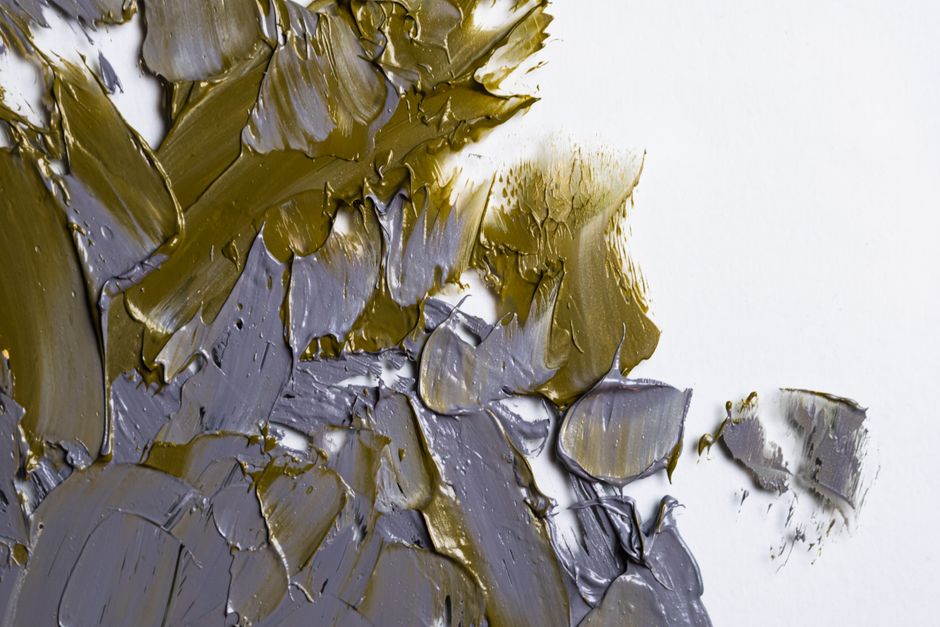
If you want your walls to look like they belong in a high-end gallery, modeling paste is your best friend. This technique, often called “Impasto,” involves applying thick layers of paste to a canvas to create a physical relief.
The “Wave” Technique with Clay: One of our favorite beginner projects involves rolling out self-hardening clay to about 5mm thickness. You then drape it over a canvas in “waves,” folding the edges around the back. Once it dries (give it a full 48 hours), you can paint it a solid matte color for a sophisticated, sculptural look. If the clay cracks while drying-don’t panic! Just moisten the area and work in a tiny bit of fresh clay.
For more beginner-friendly tips, explore our DIY wall art tutorials for beginners.
Step-by-Step: Your First 3D Project
Ready to start? Let’s try a Wood Block Arrangement. This project is fantastic because it’s modular—you can make it as big or as small as you want.
- Prepare the Surface: Wipe your wall down with a damp cloth. If the wall is greasy or dusty, the adhesive won’t hold.
- The Grid Method: Lightly sketch a grid on your wall or a backboard using a pencil. This ensures your blocks stay straight.
- Vary the Heights: The secret to great 3d diy wall art is contrast. Use blocks that vary in thickness (e.g., some 1 inch thick, some 2 inches thick). This creates shadows that change with the room’s lighting.
- Mounting: Apply strong double-sided tape to the back of each block. Press firmly against the wall for at least 30 seconds.
- Sealant: If you’ve painted your blocks, apply a quick coat of matte varnish to protect them from dust and UV fading.
Advanced Customization and 3D Printing
For the tech-savvy crafter, 3D printing has opened up a whole new world. You can download STL or CAD files to print modular hexagonal blocks that snap together.
Some makers are even taking this further by:
- LED Integration: Hiding LED strips behind the 3D blocks to create a glowing halo effect.
- Sound Absorption: Using 3D printed shapes filled with acoustic foam to create “sound absorbers” that look like art but actually make your room quieter.
- Filament Choice: Using “silk” filaments or wood-infused filaments to give the plastic a natural or metallic finish.
Want to see more advanced projects? Check out our easy tutorials for DIY wall art 2.
Frequently Asked Questions about 3D Wall Decor
How do I hang 3D wall art without damaging the surface?
Weight is the biggest factor here. For lightweight papercraft, simple double-sided tape or adhesive “tacks” work perfectly. For heavier wood or clay pieces, we recommend command hooks or specialized picture-hanging strips that are rated for the specific weight of your piece. Always test a small area of your paint first!
What is the best paint for textured 3D projects?
We almost always recommend Acrylic Paint. It is water-soluble (easy cleanup!), dries quickly, and is flexible enough that it won’t crack if the material underneath shifts slightly. For papercraft, spray paint is often better as it provides a uniform coat without “sogging” the paperboard.
How long does a typical 3D DIY project take?
It depends on the “drying time” vs. “active time.”
- Papercraft: 1 to 10 hours of active folding.
- Clay/Paste: 2 hours of sculpting, but 24-48 hours of waiting for it to dry.
- Wood Blocks: 2-4 hours of arranging and sticking.
Conclusion
At Ritmoearte, we believe that the best decor isn’t something you buy off a shelf—it’s something that carries the “rhythm” of your own creativity. 3d diy wall art is more than just a home improvement project; it’s a way to put a piece of yourself into your space. Whether you are creating a 3D dragon for a child’s nursery or a sophisticated textured canvas for your office, the effort you put in makes the final result a heartfelt masterpiece.
By using sustainable materials like recycled paperboard or natural wood, you’re also making a choice that’s good for the planet. So, grab a palette knife or a sheet of cardstock and start building. Your walls are waiting to stand out!
For even more inspiration, visit our full collection of DIY home decor ideas.
